

Glucose Pattern Recognition Methodology™

THE BIOFIT METHODOLOGY
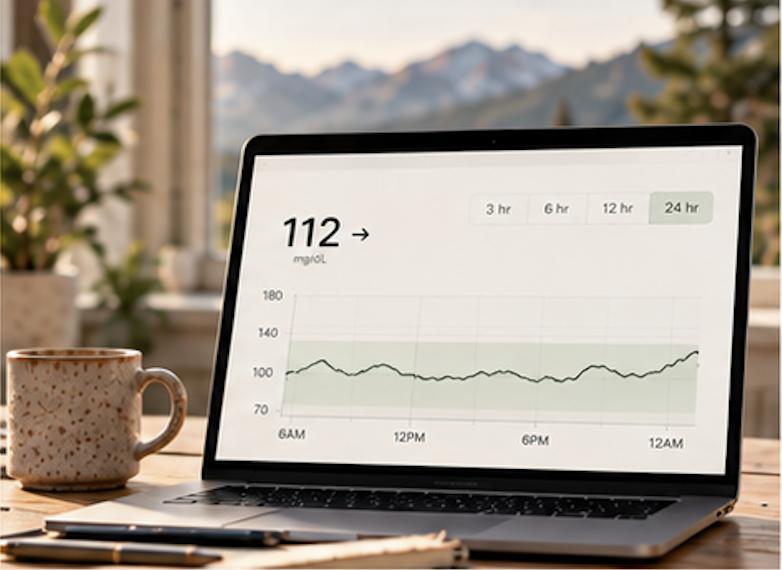
Glucose Is More Than a Number.
Learn to Recognize the Pattern.
A CGM takes a reading every few minutes, around the clock. Single readings rarely tell the whole story.
The Glucose Pattern Recognition Methodology™ (GPRM™) is BioFit's structured framework for recognizing glucose patterns and reading them in the context of a person's day. It gives professionals a repeatable way to move from:
Data → Pattern → Context → Better Questions

A Whole-Person Approach to Glucose
What someone ate matters. But so can what happened before they ate. How they slept. When they trained. What the week has asked of them.
The GPRM teaches professionals to stop reacting to isolated values and start recognizing patterns in context.
The GPRM is not a diagnostic framework. It is a structured method for pattern recognition, better questions and glucose-informed coaching within professional scope.
Why Single Glucose Readings Mislead You
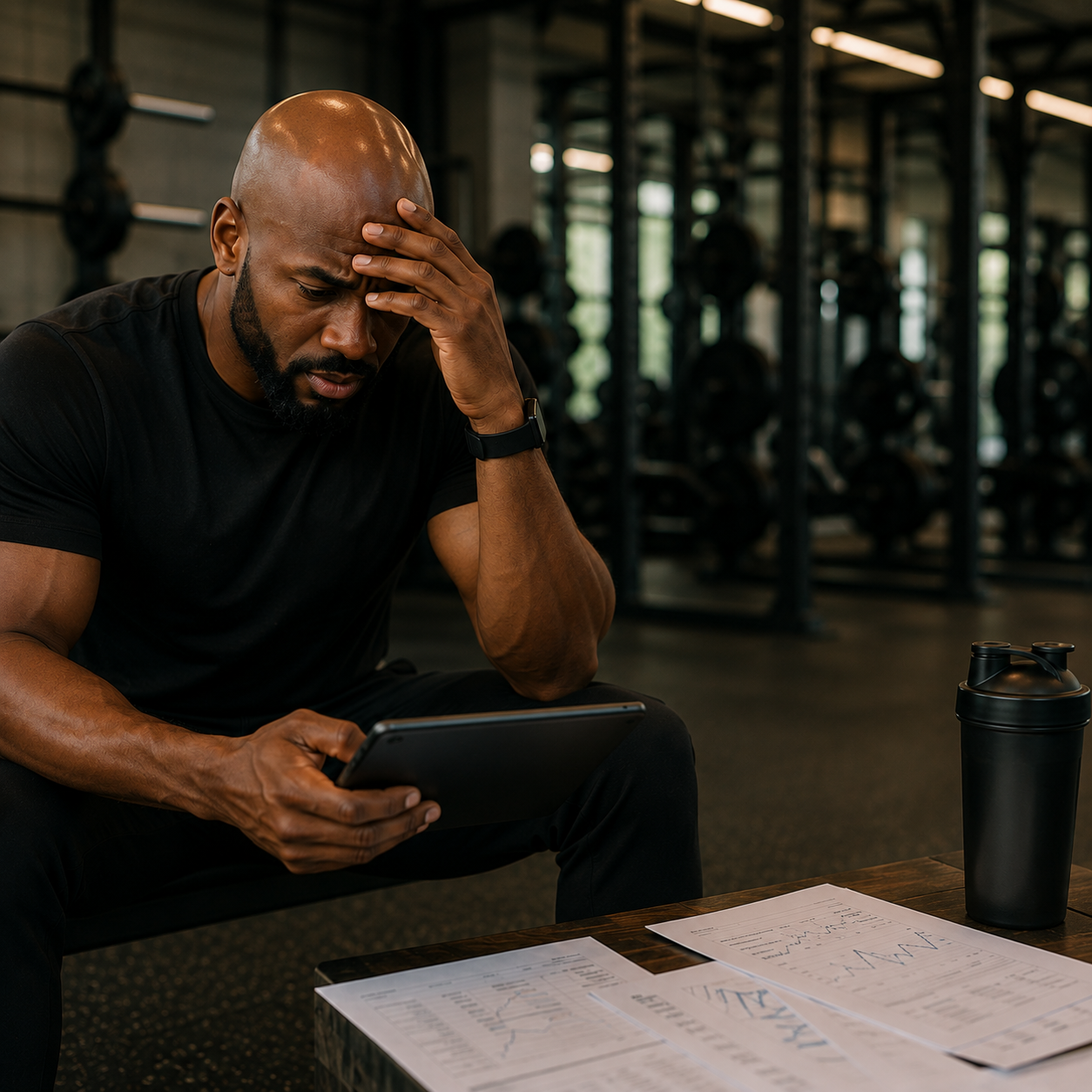
A single CGM reading is a snapshot taken out of context. The same number can mean completely different things depending on what came before it and what’s happening around it. A “high” reading twenty minutes after a meal is expected; the same reading three hours later is worth a closer look.
This is the most common mistake people make with CGM data; they react to points instead of reading patterns. They see one number, feel alarmed or reassured, and miss the trend that actually matters. Learning to read CGM data well means training yourself to stop reacting to individual readings and start recognizing the repeatable shapes underneath them.
What to Look at When You Read CGM Data
You don’t read a glucose graph left to right, number by number. You read it in layers.
The main things a trained eye looks for:
The Overnight Baseline
Where glucose settles while you sleep and how steady it stays.
The Post-Meal Response
How high glucose rises after eating, how quickly it falls, and whether it returns to baseline.
Day-Over-Day Repetition
The same shapes show up at the same times, turning a random reading into a real pattern.
The Response to Movement
What activity and exercise do to the curve, and when.
The Context Around the Curve
Sleep, stress, timing, and what was eaten are what make a pattern interpretable rather than just visible.
Reading these layers together, instead of staring at one number, is the entire skill.
The difficulty isn’t seeing the data. It’s knowing what you’re looking at.
Who Needs to Read CGM Data?
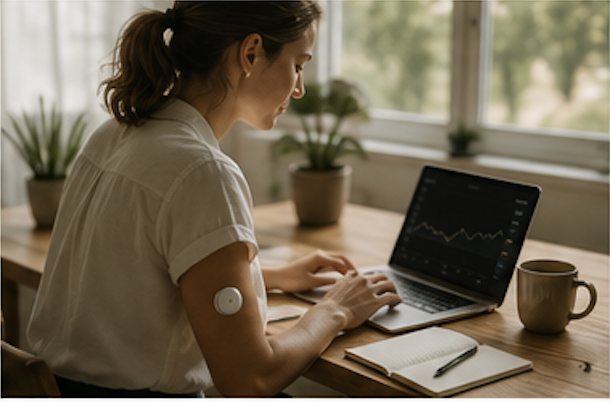
CGM data is showing up in private practices every day. Clients are arriving with a sensor already on, asking what their numbers mean. The professionals who most need to read it fluently are those in private practice who own their clients’ decisions:
Functional and holistic nutrition practitioners
Online nutrition and fitness coaches
Registered dietitians
Health coaches
Physical therapists and chiropractors who run wellness programs
Each one is now expected to have an answer when a client points at a glucose spike and asks, “What does this mean?” Reading CGM data well is fast becoming a core competency for anyone coaching health, performance, or recovery.
It’s worth being clear about scope: reading CGM data for coaching is not the same as diagnosing or treating a medical condition. A trained coach interprets patterns to guide lifestyle, training, and nutrition decisions, and refers anything outside their scope to a physician. Knowing where that line sits is part of reading the data responsibly.
From Reading Data to Recognizing Patterns
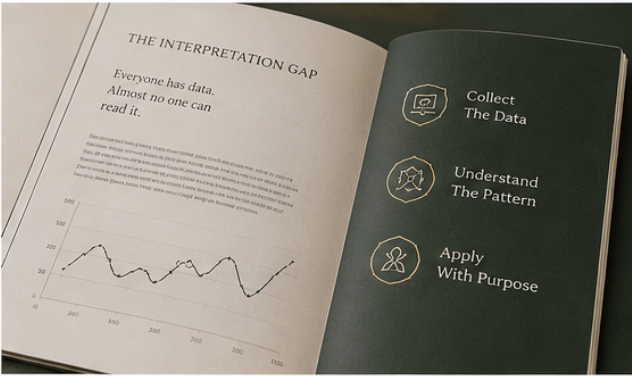
Most people, even most professionals, learn to read CGM data informally. A bit of intuition, a few rules of thumb, a lot of guessing. That works until it doesn’t.
The Glucose Pattern Recognition Methodology™ (GPRM™) turns that informal skill into a systematic, repeatable method. It’s an organized way to look at any CGM graph, identify what’s actually happening, and, critically, know the difference between a pattern a coach can work with and one that belongs with a physician.
The GPRM™ was created by Amanda Davis, who has spent almost 30 years living with Type 1 Diabetes and over 20 years reading continuous glucose monitor data before it was a consumer product. As a NASA Certified Payload Operations Controller for the International Space Station at Marshall Space Flight Center, her work was reading telemetry: streams of data where a missed signal had consequences. The GPRM™ applied that same discipline to the system everyone now wears on their arm.

How to Learn to Read CGM Data?
Reading CGM data is learnable, like any literacy; it’s a skill you can be taught rather than a talent you’re born with.
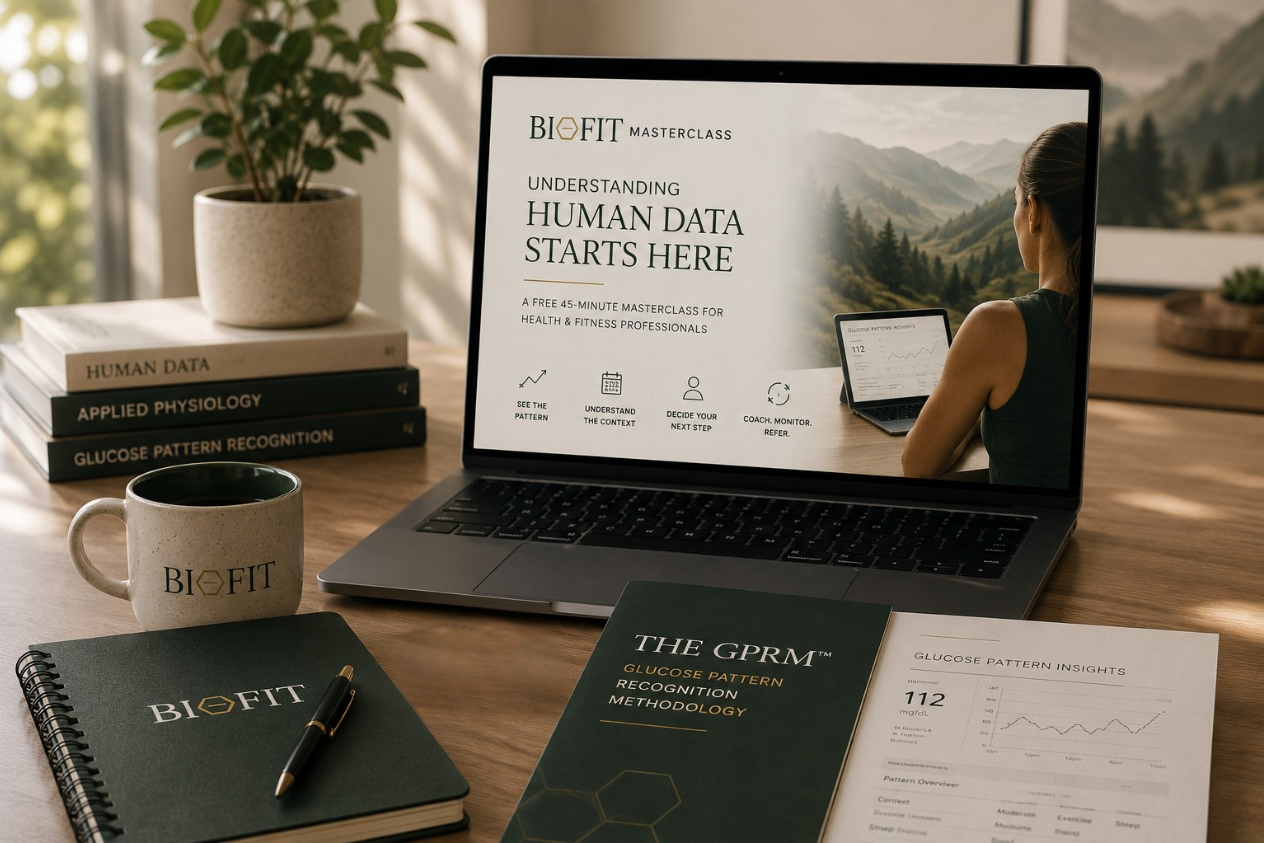
The best place to start is the Free Masterclass, which shows you what becomes possible once you can read the curve fluently: the questions you can answer, the conversations you can have with clients, the value you can add. It’s the “what’s possible”; see it before you commit to anything.
When you're ready to learn the method itself, the step-by-step way to read a CGM graph in context and act on it- that's what the Certified Glucose Pattern Specialist™ certification teaches.
Free. 45 Minutes. No credit card.
Wearing a CGM yourself? The CGM Human Data Lab is the place to start.
Free. 45 Minutes. No credit card.
Frequently Asked Questions
-
It means interpreting the shape of glucose over time, the overnight baseline, the rise and fall after meals, the response to movement, and the patterns that repeat across the day, rather than reacting to any single reading. It’s a literacy skill, not a medical test.
-
Yes. Since over-the-counter CGMs became available, many people without diabetes wear them to understand how food, sleep, stress, and exercise affect their glucose. The skill of reading the data is the same, what changes is the goal, performance, energy, and metabolic health rather than clinical management.
-
Generally, a steady curve tends to stay within a relatively stable range, rise moderately after meals, and return toward baseline within a couple of hours. But “normal” varies from person to person, and specific ranges and any medical interpretation belong with a qualified clinician. Reading the shape and the pattern is what coaching focuses on.
-
A reading is one number at one moment, easy to misread out of context. A pattern is the same shape showing up repeatedly, which is what actually reveals how someone’s body behaves and what to change. Patterns, not points.
-
No, reading CGM data for coaching is a literacy skill that trainers, coaches, and practitioners can learn. It is not the same as diagnosing or treating disease. A responsible coach interprets patterns within their scope and refers medical questions to a physician.
-
Professionals in private practice whose clients increasingly arrive wearing CGMs: personal trainers, health coaches, physical therapists, chiropractors, and registered dietitians.